
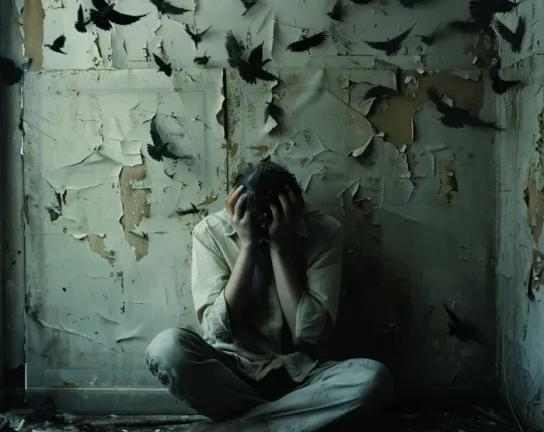
Perhaps you are searching for answers and ways to resolve difficult situations in your relationship — something is causing you discomfort and concern. This discomfort may be a sign of abuse — a form of unhealthy interaction that often goes unnoticed. Recognising the signs of abuse in a relationship is an important step toward protecting yourself and your well-being. Abusers can be men or women, and abuse can manifest in the most diverse forms, including verbal phrases that seem innocent at first glance.
Through this article I want to help you see and understand the signs of abuse, which may not always be obvious but have a profound daily impact on your life. Understanding these signs will help you navigate your relationships more clearly and protect your emotional and physical well-being.
1. Emotional Abuse
Emotional abuse can manifest in various forms, including:
- Relentless criticism: "You never do anything right," "You are always so disorganised."
- Excessive control: "You must ask me before you do anything," "I need to know where you are and who you are with."
2. Physical Abuse:
Physical abuse includes any form of physical violence:
- Hitting, pushing, slapping: "It was because of your behaviour," "You brought this on yourself."
- Physical intimidation: "Next time it will be worse," "You do not want to know what I will do next time."
3. Sexual Abuse:
Sexual abuse can include:
- Unwanted sexual contact: "You are my husband/wife, so you must do this," "It is part of our relationship."
- Sexual insults and humiliation: "You are not good enough in bed," "You must satisfy my needs."
4. Economic Abuse:
Economic abuse can be an expression of control and power:
- Forbidding work or education: "You should not work, that is my decision," "You will not cope with studying."
- Total control over finances: "I decide how money is spent," "You are too wasteful to manage the budget."
Psychological consequences of abuse:
- Loss of self-esteem and self-identity.
- A sense of isolation and loneliness.
- Difficulty communicating with others and forming new relationships.
How does abuse affect life?
- Fear of new social connections.
- Difficulty making independent decisions.
- Problems with concentration and productivity.
What are possible paths and strategies toward recovery?
- Regular sessions with a psychotherapist/psychologist.
- Somatic practices, meditation, and mindfulness to reduce anxiety.
- Developing personal interests and hobbies to build self-esteem.
How to prevent abuse in your relationships?
- Learning the skills to establish and maintain healthy boundaries.
- Developing communication skills to express your feelings and needs.
- Becoming aware of the signs of healthy relationships.
Where to find support and help?
- Regular psychological work with a psychologist/psychotherapist.
- Participating in support groups can help you find a sense of community and understanding.
- Trusted family members and close friends with whom you have mutual understanding.
In real life, even in healthy relationships conflicts and misunderstandings can sometimes arise. However, it is important to distinguish these moments from systematic abuse. In healthy relationships, mutual respect, support, freedom of choice, and acceptance of each other as you are predominate. Pay attention to the frequency and intensity of negative interactions, as well as how they affect your emotional state.
If these words resonate with your personal experience, I want to remind you that the decision to seek support is an expression of your inner strength and your right to a better life. You have every right to be in a relationship where your personality is respected and valued.
Seek qualified support — asking for help is about strength and the desire for change!
