
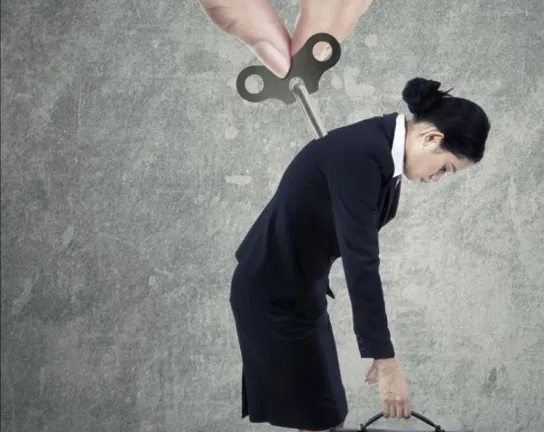
Emotional burnout is a syndrome that develops under the influence of chronic stress and constant pressure, leading to the exhaustion of a person's emotional, energetic, and personal resources. Emotional burnout arises as a result of the accumulation of negative emotions without any "discharge" or "release" from them.
This syndrome is usually regarded as a stress response to occupational and emotional demands stemming from a person's excessive dedication to their work, accompanied by neglect of family life or rest. Continuous or progressive disruption of equilibrium inevitably leads to "professional burnout."
Ways to overcome emotional burnout on your own:
- First — sort things out within yourself: understand your goals, visualise an image of your future, and grasp the meaning of what you are actually doing;
- Second — transition to a field that is adjacent to your current one. That way your previous knowledge, abilities, and skills will find application. The person makes what is known as a horizontal career move;
- Third — without leaving your current line of work, make it an instrument for achieving broader goals;
- Fourth — staying in the same situation but shifting your focus away from what you already know well and have mastered, directing it instead toward what presents a challenge for you. In this way you can discover new meaning in an old profession, and transforming it into a tool for self-development becomes a way of preventing burnout.
Below I offer you an exercise for preventing emotional burnout.
The "Ladder" Exercise
To do this exercise you will need a sheet of paper and a pencil.
Think and write down 5–10 answers to the question: "What worries and troubles me?"
On the reverse side of the sheet, draw a ladder consisting of 5–10 rungs (as many rungs as you have answers).
Place your worries on the rungs according to how intensely you experience them.
Now try climbing the imaginary rungs and learn to manage your anxiety.
To do this, close your eyes and, rising step by step, pay attention to your body and its reactions, your thoughts, your feelings. Notice where tension arises and try to relax those areas.
Do not hesitate to consult a psychotherapist — it is not a sign of weakness; it is a resource where you can receive support, re-examine your perspectives, and learn to understand your feelings.
Book a consultation through the form on the website.
